Caring for Hand Forging Tools: How to Make a Hammer Last for Decades
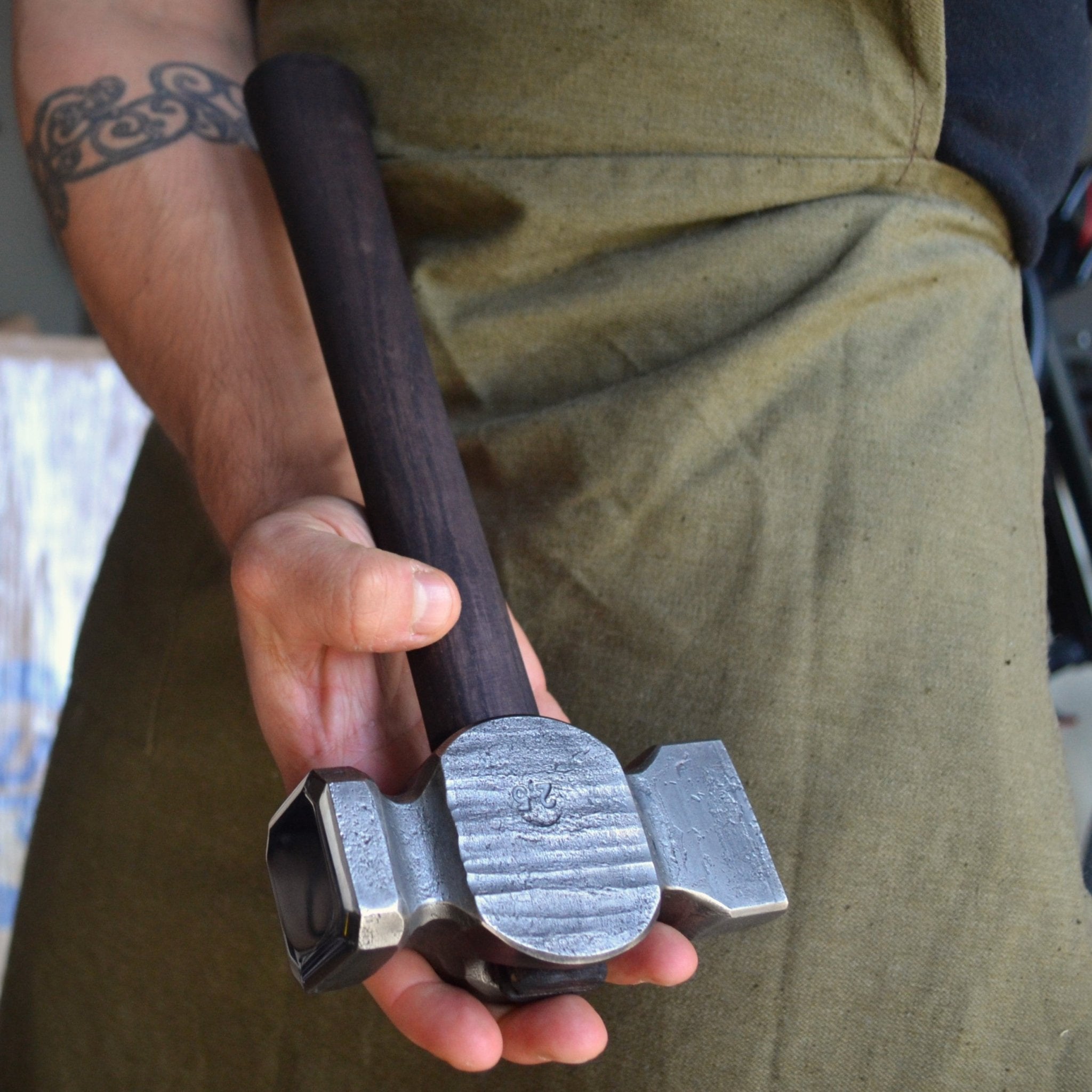
A hand forging tool is an extension of the smith's hands. Crafted from high-quality steel and fitted with sturdy wooden handles, our hammers are built to withstand heavy-duty use. However, even the toughest tool requires basic maintenance.
Proper care not only extends the lifespan of your favorite hammer or anvil tool but also ensures safety while working in the forge. We have compiled the key rules for use and storage to help keep your tools in perfect condition.

Temperature Control: Protect from Heat
One of the most common mistakes is leaving a hammer or other tool too close to the forge—right next to the hot zone. Never leave your hammer near the forge!
This inevitably dries out the wooden handle, making it brittle.
Excessive heat can negatively affect the heat treatment and cause the steel to lose its temper (reducing the hardness of the striking face). Always avoid overheating the tool.
Moisture: The Enemy of Wood and Metal
While the dry air near the fire damages the handle, excessive humidity is just as harmful. Storing tools in a damp basement or outdoors in the rain leads to metal corrosion and wood rot. Try to keep your forging tools in a dry, well-ventilated area. 3. Proper Use: What is the hammer designed for?
Our hammers are built for intensive manual work; however, it is important to keep their intended use in mind:
Do not use the hammer in conjunction with a power hammer or press. Manual blacksmithing hammers are not designed to withstand the immense, uncontrolled force of such machinery. Specialized dies and strikers exist for use with power hammers and presses. Violating this rule can result in tool damage or personal injury.
What to do if the head becomes loose?
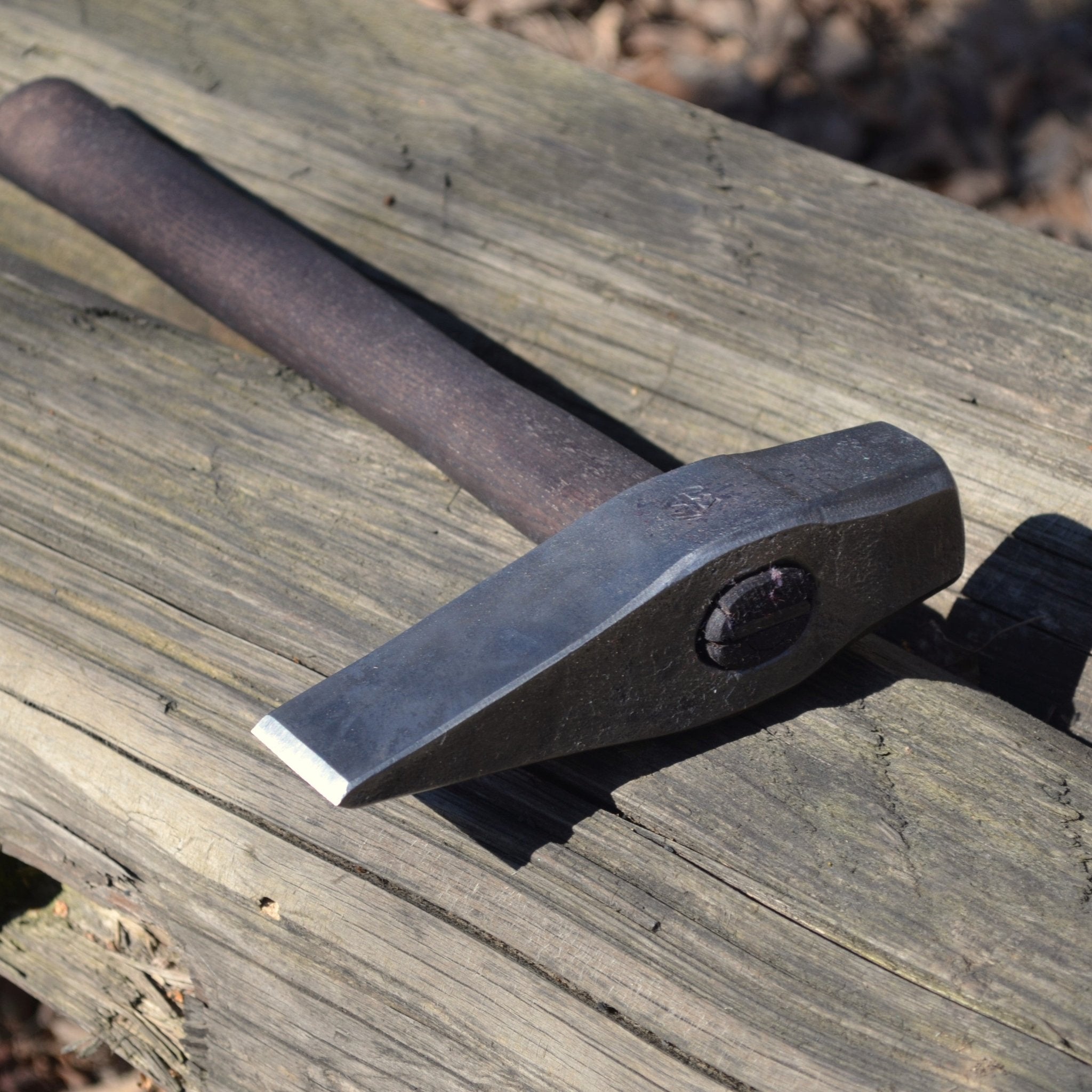
Due to the dry environment of a forge or fluctuations in humidity, the wooden handle may shrink, causing the hammer head to wobble slightly. Do not wait for the head to fly off during a strike:
Insert an additional wedge. Promptly installing an extra wedge will securely re-fasten the head and make the tool safe to use again.
Does the tool need lubrication?
The golden rule of blacksmithing tool maintenance is this: keeping the tool dry is more important than lubricating it.
Oiling the working end or the handle is not required; a secure grip and a dry surface are often more important.
However, if you take great pride in your tools and want to keep them looking well-maintained, applying a light coating of oil to the metal part to prevent oxidation during long-term storage is perfectly acceptable.
Conclusion
With proper care, a high-quality blacksmithing tool will serve you for years. Follow these simple tips, keep your hammers away from the forge's direct heat and excessive moisture, and they will reward you with flawless performance on every project!