Article: Best Steel for a Blacksmith Hammer: What Really Matters?
Best Steel for a Blacksmith Hammer: What Really Matters?
Over the years of blacksmithing, I have encountered plenty of myths about steel.
I have seen beginners strike steel blanks, convinced that a ringing sound somehow reveals a good martensitic structure. Others have tried to identify carbon steel by its taste, as if it had some distinctive sourness.
There are plenty of myths about steel. But when it comes to making a good blacksmith hammer, things are much more practical than that.
Buy Steel from Reliable Suppliers
Videos of blacksmiths turning old files, saw blades, and bearings into tools attract thousands of views. And I understand the appeal. Recycling steel has its charm.
But there is one problem: unless you know exactly what steel you are working with, you are often just guessing.
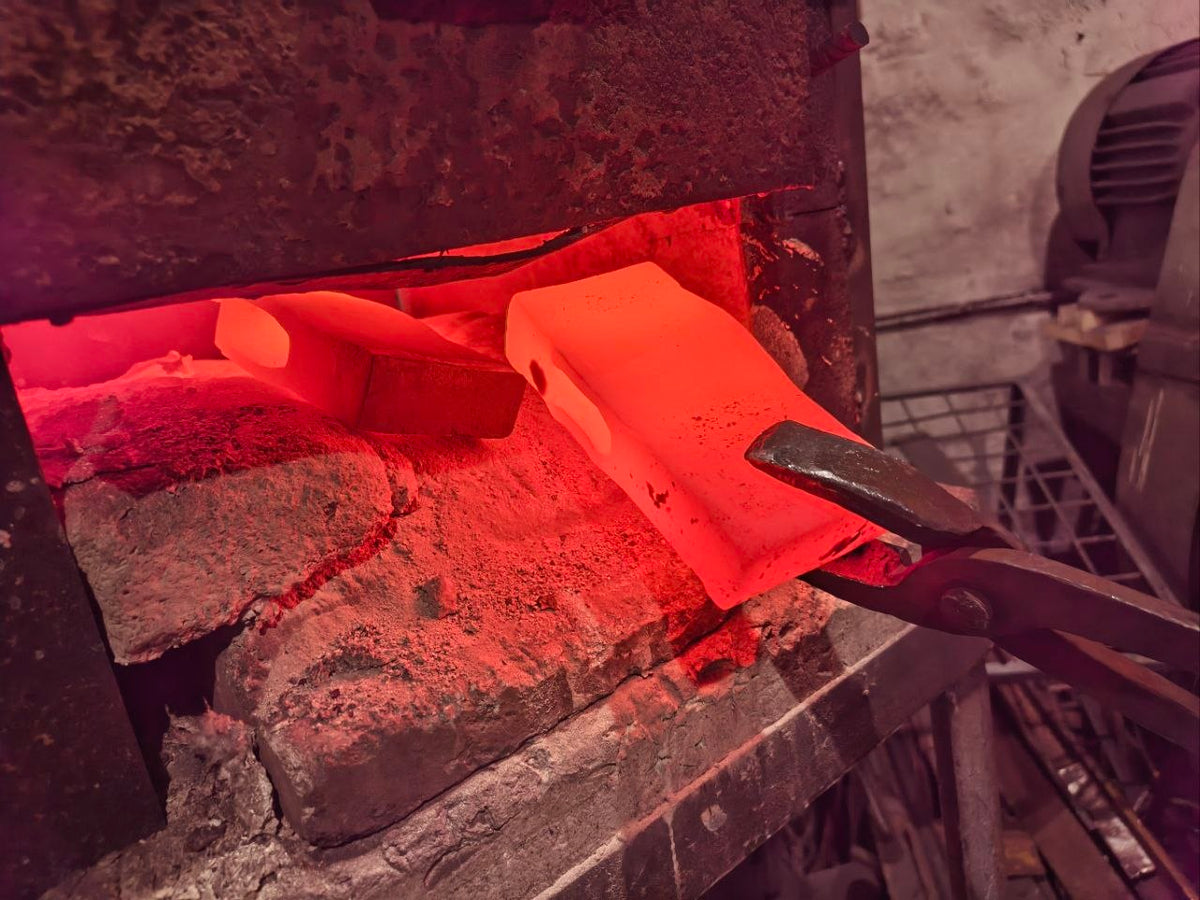
Different steel grades require different hardening temperatures and heat-treatment procedures. When the composition is unknown, you have to rely on experiments and intuition. Sometimes it works. Sometimes it doesn't.
When you buy steel from a reliable supplier and know its grade, you have a much better starting point. You can look up its composition, understand its characteristics, and choose an appropriate heat-treatment process.
Steel grade gives you potential. Heat treatment helps unlock it. But neither guarantees a good hammer.
How Hard Should a Blacksmith Hammer Be?
Hardness and toughness are not the same thing, and finding the right balance is essential.
A hammer that is too soft may develop dents on its striking faces. After years of use, those faces can mushroom and begin to resemble a mushroom cap.
A hammer that is too hard, on the other hand, may be more susceptible to chipping if its toughness is insufficient.
For my blacksmith hammers, I aim for 54–55 HRC at the working faces. In my experience, this provides a good balance between resistance to deformation and the toughness needed for repeated forging blows, provided the steel and heat treatment are appropriate.
A hammer is not a knife. It does not need to win a competition for maximum hardness. It needs to withstand thousands of impacts and remain a reliable tool.
What Is the Best Steel for a Blacksmith Hammer?
I often see beginners approach hammer steel from the perspective of knife making. One question that comes up is: Can you make a hammer from D2 steel?
My approach is simple: I choose steel for the job it needs to do, not because its name sounds impressive.
D2 is known for its wear resistance, but a blacksmith hammer has different requirements. Repeated impact loads make toughness and proper heat treatment especially important.
Here are three steel grades worth considering.
AISI 4140 / 42CrMo4
A chromium-molybdenum alloy steel with good hardenability and the potential for high strength and toughness. It can be particularly useful for larger hammer heads where achieving suitable properties throughout the cross-section matters.
AISI 1045 / C45
A medium-carbon steel that offers a practical combination of strength, toughness, availability, and ease of manufacturing. With appropriate forging and heat treatment, it is an excellent choice for blacksmith hammer heads.
AISI 4340 / 34CrNiMo6
A nickel-chromium-molybdenum alloy steel capable of achieving high strength and toughness. It is an impressive material, although its additional cost may not offer a meaningful advantage for every hammer.
There is no magic steel that automatically makes the perfect hammer. The right choice depends on the design, manufacturing process, heat treatment, and intended use.
What Really Makes a Great Blacksmith Hammer?
Here is something I have come to appreciate over the years: the steel grade is only part of the story.
You can buy excellent steel and heat-treat it correctly, yet still end up with a mediocre hammer.
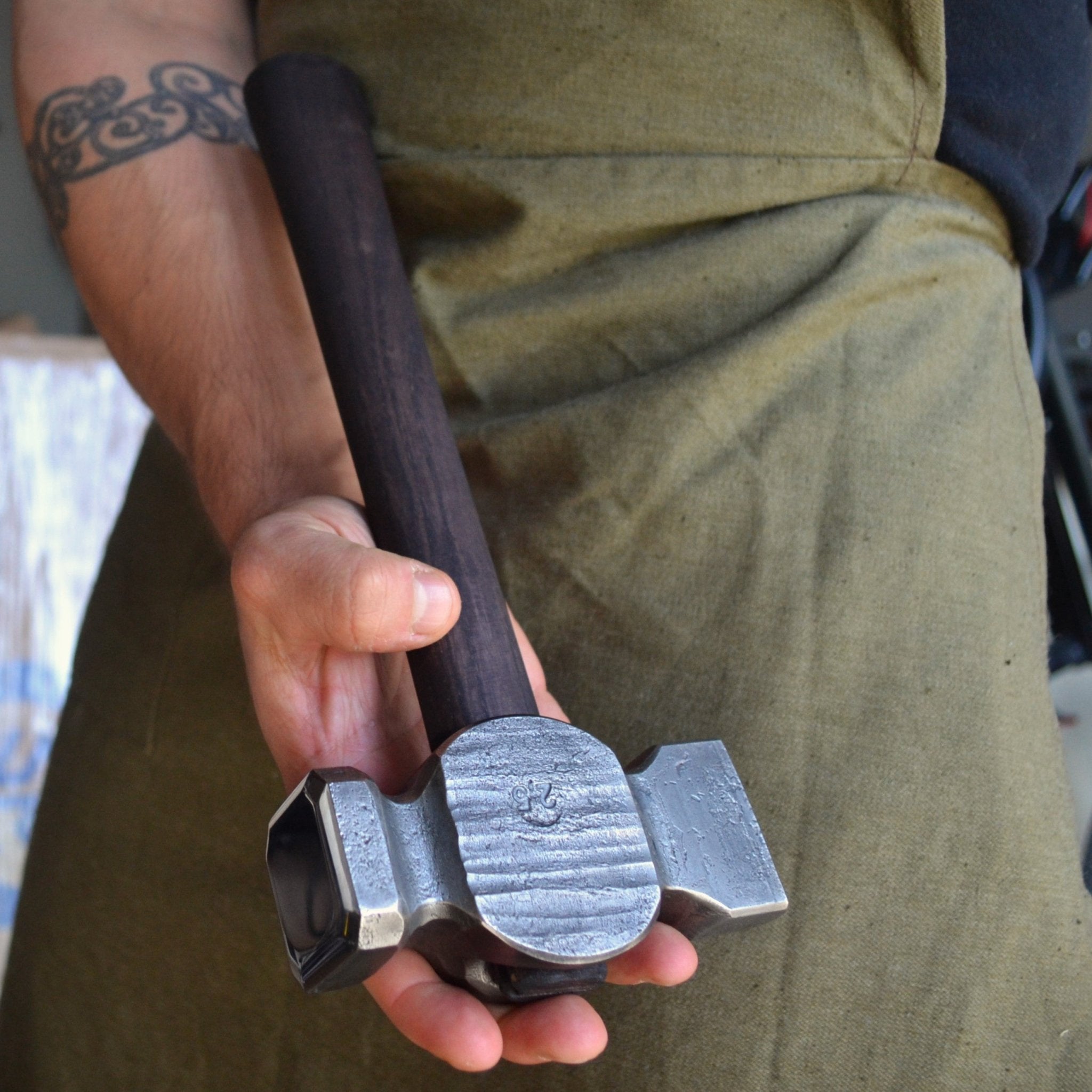
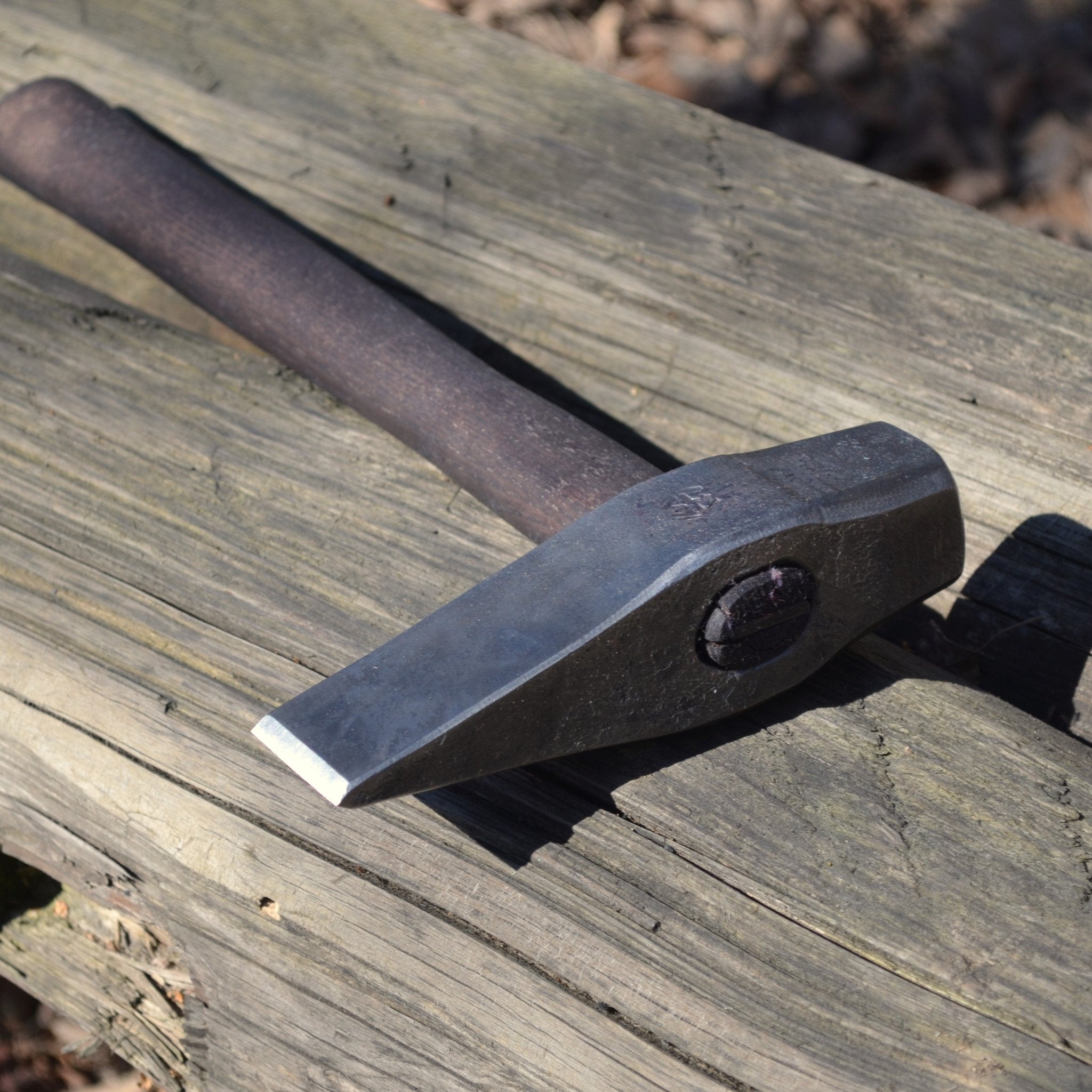
The way the head is forged matters. Its geometry matters. The proportions, weight distribution, and ergonomics matter. Every part of the manufacturing process contributes to the final result.
A good blacksmith hammer is not simply a piece of steel with the right hardness. It is a tool shaped by experience, judgment, and craftsmanship.
At Strict Blacksmith, we put years of practical blacksmithing experience into every hammer we make.
Because in the end, steel is only the starting point. What truly makes a hammer exceptional is the skill of the blacksmith who makes it.